Selecting industrial cutting equipment directly impacts manufacturing profitability, material yield, line speed, and production bottlenecks. When evaluating converting machinery, production managers face a constant tension between tooling costs, production speed, and material capabilities. Choosing the wrong Die Cutting Machine for a specific production run leads to excessive scrap, unprofitable short runs, or the inability to process thick, rigid substrates. This technical evaluation compares flatbed versus rotary die cutting systems, including a brief look at modern tooling-less alternatives. The optimal choice depends on a strict matrix of material properties, run volumes, and tolerance requirements.
- Speed vs. Motion: Rotary systems utilize continuous cylindrical motion for high-speed, high-volume production, whereas flatbed systems use a start-stop (indexing) hydraulic or mechanical press mechanism.
- Material and Thickness Clearance: A flatbed die cutting machine is engineered to handle thicker, denser, and more rigid materials because the press can open wide enough to accommodate high-loft materials and deliver higher vertical tonnage.
- Dimensional & Repeat Constraints: Rotary die cuts are mechanically constrained by the repeat length (circumference) of the tool cylinder, while flatbed systems easily process oversized parts and large-format sheets.
- Tooling Economics: Flatbed tooling (steel rule dies) requires significantly lower upfront investment and shorter lead times compared to the precision-machined solid or flexible dies required for rotary systems.
- Digital Alternatives: For ultra-short runs, rapid prototyping, or hyper-complex geometries, tooling-less laser die cutting serves as an agile third alternative to traditional physical tooling.
Understanding the Mechanics of a Die Cutting Machine
How a Flatbed Die Cutting Machine Operates
Material is fed into a heavy-duty hydraulic or mechanical press. This feed mechanism can handle individual sheets or continuous web rolls. The machine relies on an indexing motion sequence: start, press, release, and advance. This required dwell time dictates the absolute cycle speed limits of the equipment. The process uses steel rule dies mounted on a flat wooden or composite base. These dies stamp down with immense vertical tonnage onto a cutting plate or anvil substrate to shear the material cleanly.
The mechanical advantage here lies in the sheer force applied evenly across a large surface area. Hydraulic systems allow operators to adjust the cutting pressure precisely, ensuring that the steel rule penetrates the substrate without damaging the underlying anvil. This start-stop operation, while slower than continuous methods, provides exceptional control over deep cuts and complex perimeter shapes on rigid boards.
How Rotary Die Cutting Works
Rotary die cutting relies on a continuous web-fed process. It utilizes a cylindrical die setup paired with a hardened steel anvil cylinder. The physics of the continuous rolling cut eliminates wasted motion, meaning there is no indexing or dwell time to slow down the web. Material passes between the rotating cylinders, and the raised cutting edges shear the substrate against the smooth anvil.
Modern rotary presses often integrate multiple stations in a single inline pass. These stations handle laminating, cutting, slitting, and waste matrix stripping simultaneously. By keeping the web under constant tension and moving it at high speeds, rotary systems achieve massive throughput. The synchronization of these rotating cylinders requires precise gearing and servo-motor control to maintain registration across thousands of linear feet of material.
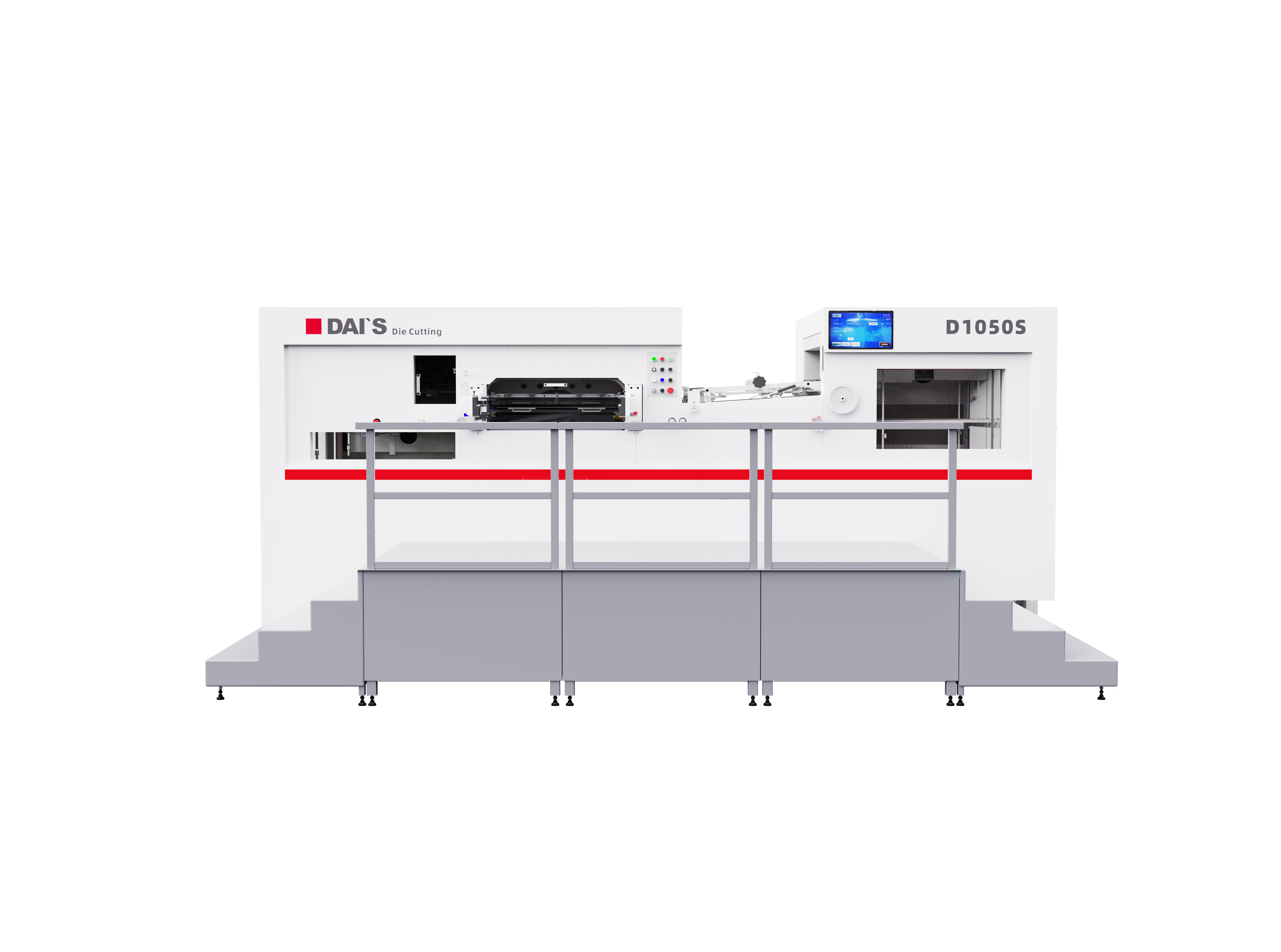
Flatbed vs. Rotary: Core Performance Differences
Production Speed and Cycle Times
Rotary systems offer a massive throughput advantage on the production floor. They measure speed in hundreds of linear feet per minute (FPM). The continuous rotation maintains high production velocity, making them the standard for high-volume converting. Flatbed systems operate at a fraction of this speed due to the mechanical impact of indexing. The start-and-stop motion inherently limits overall throughput.
| Performance Metric | Flatbed Systems | Rotary Systems |
| Motion Type | Start-stop (Indexing) | Continuous rolling |
| Average Speed | Low to Medium (Cycles per minute) | High (Linear feet per minute) |
| Throughput Advantage | Better for short, complex runs | Unmatched for high-volume runs |
Material Thickness, Density, and Physical Clearance Limits
A flatbed die cutting machine excels with thick foams, heavy rubbers, closed-cell materials, and dense composites. Flatbed presses feature a stroke height that allows the platen to open wide enough to handle multi-inch material heights. The vertical cutting action prevents the material from shifting or distorting during the shear.
Rotary machines face strict physical limitations regarding material thickness. These constraints include blade height limits, roll nip clearances, and material displacement during a rolling cut. When thick materials pass through a rotary nip, the rolling action tends to compress and push the leading edge, resulting in beveled cuts or dimensional inaccuracies. Therefore, rotary systems are generally restricted to thinner substrates like films, papers, and thin foams.
Part Dimensions and Repeat Length Constraints
Rotary die cutting is bound by tooling repeat limits. The maximum part length is restricted by the outer circumference of the cutting cylinder. If a part exceeds this circumference, it simply cannot be cut on that specific cylinder size. Flatbed presses support massive bed dimensions for large-format sheets. They can index long parts without tooling circumference limits, making them ideal for oversized components, large gaskets, and heavy-duty corrugated packaging.
Precision, Tolerances, and Registration
Rotary machines maintain incredibly tight tolerances over long web runs. The continuous motion, combined with advanced web tension controls, ensures consistent dimensional accuracy. Flatbed indexing carries a risk of tolerance drift during the start-stop feed cycle, especially if the material stretches or slips during acceleration.
Optical registration systems mitigate alignment issues in both machine types. These systems use high-speed cameras or sensors to read printed fiducial marks on the web or sheet. The machine's control system then adjusts the cut position dynamically, ensuring the tooling aligns perfectly with the printed graphics or previous converting steps.
The Digital Alternative: Laser Die Cutting vs. Tooling-Based Methods
Laser die cutting serves as a third option in modern converting facilities. Laser setups offer zero tooling costs and software-driven geometry changes. They eliminate tooling lead times completely, allowing operators to transition from CAD file to production in minutes. However, laser systems face processing speed limitations on thicker materials and can cause charred edges on certain substrates, such as PVC or thick rubbers.
Tooling Costs and Setup Times
Steel Rule Dies vs. Rotary Dies
Flatbed steel rule dies feature a plywood or synthetic base with inserted steel blades. They offer low manufacturing costs and days-long turnaround times. Local die shops can often fabricate a steel rule die within 24 to 48 hours. Rotary dies are solid CNC-machined steel cylinders or flexible magnetic plates. They require a high upfront investment and weeks-long engineering cycles.
| Tooling Type | Base Material | Lead Time | Durability |
| Steel Rule Die | Plywood / Polycarbonate | 1-3 Days | Moderate (Requires frequent re-ruling) |
| Solid Rotary Die | Hardened Tool Steel | 2-4 Weeks | Extremely High (Millions of revolutions) |
| Flexible Rotary Die | Spring Steel Sheet | 3-7 Days | Medium (Good for abrasive materials) |
Setup, Changeover, and Maintenance Realities
Job changeovers on a flatbed press require less labor and downtime compared to complex rotary web setups. Operators slide the steel rule die into the chase, adjust the cutting pressure, and begin production. Ongoing maintenance for rotary systems involves strict anvil wear tracking, bearing lubrication, and cylinder handling protocols. Flatbed maintenance includes die leveling (makeready) to ensure even cutting pressure across the platen and hydraulic oil heat management to prevent system degradation.
Choosing the Right Die Cutting Machine for Your Application
Best Use Cases for a Flatbed Die Cutting Machine
Ideal scenarios for flatbed processing include low-to-medium volume production runs and rapid prototyping. They are perfect for thick industrial gaskets like EPDM, silicone, and neoprene. Heavy-duty packaging, felt, and rigid structural plastics also benefit from flatbed processing. The economic advantages are clear for varying sheet dimensions and non-pliable, rigid boards where rotary web feeding is physically impossible.
Best Use Cases for Rotary Systems
Rotary systems dominate high-volume continuous runs. They are ideal for thin films, adhesive tapes, medical wearables, and electronics shielding. Multi-layered kiss-cut label stocks process efficiently on rotary presses. The manufacturing advantage lies in continuous inline processing, allowing simultaneous printing, laminating, kiss-cutting, and weeding without moving rolls between different machines.
Capital Expenditure and ROI Analysis
Capital Expenditure (CapEx) vs. Operating Expenditure (OpEx)
The initial capital cost of a standard hydraulic flatbed press is generally lower than a multi-station, web-tension-controlled rotary press. Rotary machines require precision-machined frames, servo motors, and complex web handling components, driving up the initial investment. Operating expenditures also differ significantly. Rotary presses consume more energy due to multiple driven stations but require less operator intervention per part produced. Tooling amortization over a product's lifecycle heavily favors rotary systems for high-volume jobs, as the expensive solid dies last for millions of revolutions.
Material Yield and Scrap Rates
Material yield directly impacts the bottom line. Flatbed systems allow for tight nesting capabilities, especially on sheet-fed operations where interlocking layouts maximize substrate usage. However, flatbed web-fed systems may require wider perimeter clamping margins or skeleton webbing to pull the material through the indexing cycle. The continuous nature of rotary cutting can reduce web tension waste, but the tooling repeat length sometimes forces awkward spacing between parts, leading to higher matrix scrap.
Implementation Risks and Mitigation
Operator Training and Safety Considerations
Managing complex rotary web-tension controls, registration alignment, and inline stations involves a steep learning curve. Operators must understand how different substrates react to tension and nip pressure. Operating a standard flatbed press is generally more straightforward, focusing primarily on material feed and tonnage adjustments. Operator safety protocols must include physical guarding, safety light curtains, and pinch-point mitigation for both machinery types.
- Install physical barrier guards around all rotating cylinders and nip points.
- Implement safety light curtains across the feed and delivery zones of flatbed presses.
- Conduct weekly safety audits focusing on emergency stop functionality.
- Train operators on proper lockout/tagout procedures during die changeovers.
Facility Footprint and Integration
Rotary lines often require a long, narrow linear footprint to accommodate unwinds, laminating stations, and rewinds. This linear layout can disrupt existing floor plans if space is limited. Flatbed presses have a more compact, square footprint, making them easier to drop into tight manufacturing cells. Integrating these machine units into existing upstream or downstream automation lines requires careful planning of material handling workflows, ensuring that raw material staging and finished goods removal do not create bottlenecks.
Conclusion
Neither cutting technology is universally superior. The choice is strictly dictated by the intersection of material thickness, production volume, tolerance requirements, and upfront tooling budget. If volume exceeds 100,000 parts and material thickness is under 1/8 inch, prioritize rotary. If volume is lower, parts are oversized, or material is thick and rigid, prioritize a flatbed press.
- Conduct material feasibility testing on both machine types using your specific substrates.
- Request sample cuts and time studies from equipment manufacturers to verify cycle speeds.
- Compute your specific tooling-to-yield ROI based on your average run lengths.
- Evaluate your facility's floor space and operator skill levels before committing to a complex inline system.
FAQ
Q: What is the main advantage of a flatbed die cutting machine?
A: The main advantage is the ability to process thick, rigid, and oversized materials using inexpensive steel rule dies, making it highly cost-effective for short to medium production runs.
Q: Why is rotary die cutting faster?
A: Rotary die cutting uses continuous cylindrical motion without the start-stop indexing required by flatbed systems, allowing the web to run at significantly higher linear speeds.
Q: Can flatbed machines handle roll-fed materials?
A: Yes, many flatbed presses can be equipped with roll-feed mechanisms and pinch rollers, though the cutting action still requires an indexing start-stop motion to shear the material.
Q: What materials are difficult for rotary die cutting?
A: Thick foams, dense rubbers, and rigid boards are difficult for rotary machines due to blade height constraints and material distortion caused by the rolling cut action.
Q: How do tooling costs compare between the two systems?
A: Flatbed steel rule dies are significantly cheaper and faster to produce than the precision-machined solid steel or flexible magnetic dies required for rotary systems.
Q: Does laser cutting replace traditional die cutting?
A: Laser cutting is an excellent alternative for rapid prototyping and short runs since it requires no physical tooling, but it struggles with processing speeds on thick materials and can cause edge charring.


