The folding carton market demands a tight balance of structural integrity, intricate customization, and rapid turnaround times. Packaging converters face shrinking batch sizes daily as consumer brands push for bespoke designs, seasonal variations, and localized packaging. Traditional high-volume rotary systems struggle to adapt to this shift. They present prohibitive tooling costs and lengthy setup times for short-to-medium runs, forcing operations to compromise on either profit margins or product quality. Evaluating the mechanical capabilities, tooling economics, and operational footprint of flatbed technology reveals why it remains the industry standard for specific folding carton applications. This guide breaks down the technical evaluation criteria for integrating flatbed systems into packaging workflows. You will see exactly how these machines optimize production, reduce waste, and handle the most challenging structural designs without absorbing massive upfront tooling expenses.
- Cost-Efficiency in Short-to-Medium Runs: Flatbed systems eliminate the high financial barrier of rotary tooling, maintaining a consistent and viable cost-per-unit for smaller batch sizes and custom packaging.
- Unmatched Precision for Complex Structural Designs: The stable, flat cutting surface provides exceptional control, allowing for intricate cuts, clean creases, and precise perforations in a single stroke without material distortion.
- Substrate Versatility: Flatbed architecture accommodates a wider range of material thicknesses and grades, making it highly adaptable for diverse folding carton requirements.
- Favorable Amortization Profile: While cycle speeds may trail rotary alternatives, the lower tooling costs, reduced setup times, and minimized material waste yield a faster ROI for facilities handling varied job mixes.
The Operational Mechanics of a Flatbed Die Cutting Machine
Defining success in folding carton production requires looking at the final blank on the delivery pile. A successful die cutting process must deliver flawless edge cleanliness, exact crease accuracy, and perfect dimensional stability. Downstream processes like folding and gluing rely entirely on these three factors. If a carton blank is skewed by a fraction of a millimeter, it will jam high-speed folder-gluers, causing massive bottlenecks. The mechanics of the die cutter directly dictate this baseline quality.
The flatbed stamping process relies on a vertical platen press mechanism. This differs entirely from the continuous rolling motion found in rotary cutters. In a flatbed system, the substrate stops momentarily in the cutting station. The upper and lower platens come together in a single, powerful vertical stroke. This stationary impact ensures the material does not stretch or warp during the cut. You achieve a perfectly registered blank every single time because the sheet is held firmly by gripper bars rather than being pulled through a nip point.
Force distribution is a primary mechanical advantage. A Flatbed Die Cutting Machine distributes its tonnage evenly across the entire cutting matrix. When you process complex carton nets with dozens of interlocking tabs and intricate windows, uniform pressure is mandatory. The platen applies equal force to every steel rule simultaneously. This prevents the partial cuts or weak creases that often occur when pressure fluctuates across a rotary cylinder. To achieve this, operators follow a strict setup sequence:
- Locking the wooden die board securely into the heavy steel chase.
- Sliding the chase into the upper platen of the press.
- Inserting the steel cutting plate over the lower platen.
- Running a test sheet to evaluate the initial cutting pressure.
- Applying makeready tape to the back of the cutting plate to balance the tonnage perfectly across all rules.
Single-pass efficiency defines modern flatbed operations. The machine executes cutting, creasing, and perforating simultaneously in one stroke. You eliminate the need for secondary processing operations entirely. Furthermore, modern flatbed presses utilize high-speed strokes and advanced sheet feeding technology to maximize efficiency. By optimizing the cam mechanisms and gripper bar movements, manufacturers have significantly narrowed the historical speed gap with rotary systems. You get the precision of a flatbed with cycle rates that keep up with demanding production schedules. After the platen press executes the cut, the sheet moves via gripper chains into the stripping station. Here, male and female stripping tools punch out the internal waste. Finally, the sheet enters the blanking station, where the finished cartons are pushed through a steel grid, breaking the nick points and stacking perfectly on a pallet, while the skeleton waste is ejected. This inline automation is what makes modern flatbeds so efficient.
Technical Advantages for Folding Carton Production
Dimensional accuracy separates adequate packaging from premium packaging. Stationary substrate positioning prevents the material stretching often seen in web-fed rotary systems. When paperboard is pulled through rotary cylinders under high tension, the web can skew, especially if the moisture content of the board varies. Flatbed systems grip the individual sheet by the lead edge and hold it perfectly still during the cutting impact. This guarantees the tight tolerances required for automated carton-erecting and gluing lines downstream. A jammed folder-gluer costs thousands in lost production time; precise flatbed blanks prevent this entirely.
Material versatility allows converters to take on diverse jobs without swapping out entire machine lines. A high-quality paper die cutting machine handles varying caliper boards effortlessly. You can process Solid Bleached Sulfate (SBS) for cosmetics, Coated Unbleached Kraft (CUK) for beverage carriers, Folding Boxboard (FBB) for pharmaceuticals, and micro-flute corrugated materials for heavy-duty retail displays on the same press. Flatbed systems process thicker substrates without the curvature memory issues inherent to rotary cylinders. When you wrap heavy paperboard around a rotary die, the material naturally wants to curl. Flatbed presses cut on a horizontal plane, ensuring the final blank remains perfectly flat, which is critical for high-speed auto-bottom cartons.
When processing paperboard, grain direction plays a massive role in structural integrity. Rotary systems often force converters to run the board in a specific direction to accommodate the curve of the cylinder, sometimes compromising the carton's compression strength. Flatbed systems allow you to feed the sheet in whatever orientation maximizes the structural integrity of the final box, giving packaging engineers complete freedom.
The industrial robustness of flatbed technology is notable. Systems capable of cutting dense materials like automotive gaskets easily manage heavy folding carton boards. The heavy cast-iron frames and high-tonnage capabilities ensure flawless execution, even when cutting dense, recycled fiberboards that would quickly dull rotary tooling. The sheer mass of the platen absorbs the shock of the cut, reducing vibration and maintaining registration accuracy over millions of impressions.
Handling intricate structural designs requires absolute matrix stability. Packaging designers continually push boundaries with complex window cutouts, interlocking security tabs, and fine-detail embossing. Flatbed presses excel here. Because the cutting matrix is flat and stationary, the steel rules do not deflect during the cut. You achieve sharp internal corners and clean stripping of tiny waste pieces. The stability of the flat die allows for intricate rubbering techniques. Operators glue specific durometer ejection rubbers next to the cutting rules, ensuring the sheet ejects cleanly from the die without tearing delicate carton features.
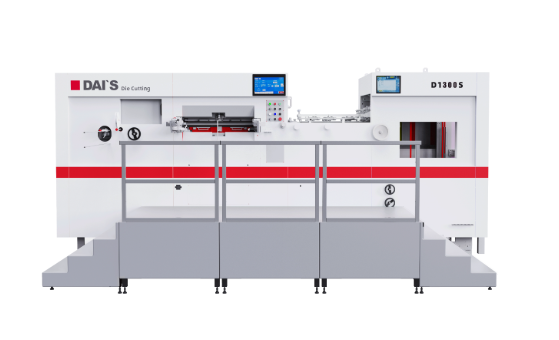
Flatbed vs. Rotary: Evaluating the Trade-Offs
Tooling economics dictate the profitability of short runs. Flat steel-rule dies are inexpensive to procure. Local die shops manufacture them quickly using laser-cut wooden boards and bent steel rules, often delivering within 24 hours. If a client requests a minor design change, you can modify a flat die easily by pulling and replacing a single steel rule. Conversely, solid or flexible rotary dies require specialized CNC milling or chemical etching. They carry high upfront costs and long lead times. You cannot easily modify a solid rotary cylinder once it is milled; any design change usually requires purchasing an entirely new cylinder.
Setup and changeover times directly impact Overall Equipment Effectiveness (OEE). Facilities managing multiple daily SKUs benefit massively from flatbed systems. Operators can swap a flat die, adjust the stripping pins, slide in a new blanking tool, and complete makeready in a fraction of the time it takes to hoist and calibrate heavy rotary cylinders. This rapid changeover keeps the machine running and producing sellable blanks rather than sitting idle during shift changes.
Production volume dictates the technological break-even points. A flat die cutting machine dominates short-to-medium runs. The low tooling cost absorbs the slightly slower run speed. However, rotary equipment wins in ultra-high-volume, continuous-web applications where a single carton design runs for weeks without stopping. You must analyze your average run length to make the right choice. If your average job is under 50,000 sheets, flatbed is almost always the more profitable route.
Format flexibility introduces logistical trade-offs. Sheet-fed flatbed systems have limitations compared to web-fed rotary efficiency. However, the logistics of handling pre-cut sheets often outweigh web-fed benefits for varied job mixes. Shipping costs, storage footprints, and material handling are simpler with pallets of sheets compared to massive master rolls. Master rolls require specialized clamp trucks, heavy-duty core chucks, and significant warehouse space. Integrating a large format die cutting machine maximizes sheet yield. It accommodates oversized carton blanks and allows for aggressive nesting strategies. By fitting more cartons onto a single large sheet, you effectively offset traditional sheet-fed speed limitations and maximize the throughput of the press.
Die Cutting Technology Comparison
| Evaluation Criteria | Flatbed Die Cutting | Rotary Die Cutting |
| Tooling Cost | Low (Wood boards, steel rules) | High (Milled steel cylinders) |
| Changeover Speed | Fast (Ideal for multiple daily SKUs) | Slow (Requires heavy lifting equipment) |
| Substrate Memory | None (Cuts on a flat horizontal plane) | High (Material curls around cylinders) |
| Design Modification | Simple (Replace individual rules) | Difficult (Often requires a new cylinder) |
| Optimal Run Length | Short to Medium (High mix, low volume) | Ultra-High Volume (Low mix, high volume) |
Cost-to-Value Analysis for Packaging Converters
Evaluating Capital Expenditure (CapEx) against Operating Expenses (OpEx) requires looking beyond the initial machine purchase. The initial investment of flatbed machinery is offset by long-term savings in tooling and maintenance. Every time you run a new job, the savings on a steel-rule die versus a rotary die compound. Over a five-year period, a facility running high-mix packaging will spend drastically less on flatbed consumables. Furthermore, flatbed presses hold their resale value exceptionally well, providing a strong return on invested capital when it comes time to upgrade.
Makeready time heavily impacts OpEx. Because flatbed dies use standard 23.8mm steel rules, operators can utilize standardized matrix materials for creasing. This standardization drastically reduces the time spent building up the cutting plate. When you multiply a 30-minute setup saving across five job changeovers per day, you recover hundreds of hours of billable machine time annually.
Waste reduction directly improves your bottom line. Precise sheet registration and tight nesting on flatbed dies minimize edge trim. You can place carton blanks closer together on a flat die than on a curved rotary die, sharing common knife edges where the design allows. This reduces overall material waste per sheet. The financial impact of this waste reduction becomes massive when processing expensive, premium folding carton substrates like foil-laminated boards, metallized polyester, or holographic papers. Saving just a few millimeters of edge trim across a million sheets yields significant material cost recovery.
Agility in niche markets drives modern revenue growth. The ability to accept highly customized, small-batch orders without sacrificing margins is a major competitive advantage. Brands constantly launch seasonal packaging, regional promotions, and limited edition runs. Flatbed technology allows you to say yes to these lucrative short runs. You can execute a 5,000-carton order profitably because the tooling cost does not eat the entire job margin. This flexibility transforms a packaging converter from a simple commodity supplier into a strategic partner for fast-moving consumer goods brands.
Implementation Realities and Risk Mitigation
Workflow integration requires careful floor space planning. Sheet-fed flatbed systems demand specific physical footprints. You must account for the main press, automated feeders, and delivery stackers. Additionally, you need clear aisles for forklift access to load blank sheets and remove finished pallets. Mapping the material flow before installation prevents bottlenecks on the production floor. Consider the staging area for work-in-progress pallets; sheets coming off a printing press need space to off-gas and dry before entering the die cutter feeder.
Beyond floor space, you must evaluate your facility's utility infrastructure. High-speed flatbed presses require significant three-phase power and clean, dry compressed air to operate the pneumatic clutches and feeder suction heads. Drops in air pressure will cause sheet feeding errors, leading to machine stops. Installing a dedicated air compressor and dryer system for the die cutter is a standard risk mitigation strategy.
Operator expertise heavily influences production quality and machine uptime. The learning curve for makeready processes, die leveling (patching), and pressure adjustments can be steep. Operators must understand how to balance cutting force across the platen using spot tape and makeready sheets. If they apply too much pressure, they crush the board and dull the knives; too little, and the cartons won't strip cleanly. To mitigate this reliance on tribal knowledge, invest in machines with automated pressure controls. Modern presses feature optical registration systems that automatically align the sheet using printed register marks, reducing manual intervention and speeding up setup times.
Maintenance and downtime prevention keep operations profitable. Identify common wear parts in flatbed systems early. Cutting plates, gripper bars, and chain drives require regular inspection. If a cutting plate becomes deeply scored, it will require excessive pressure to cut, which damages the machine bearings over time. Outline a strict preventative maintenance framework. Lubricate platen drive mechanisms on schedule using the manufacturer's recommended grease. Calibrate gripper bars periodically to ensure consistent cutting force and registration accuracy over the machine's entire lifecycle. Keep spare optical sensors and feeder suction cups in inventory to prevent minor component failures from halting production.
Conclusion
A flatbed die cutting machine is not a universal replacement for rotary systems, but it is the definitive choice for folding carton manufacturers prioritizing structural complexity, substrate variety, and short-to-medium run agility. The mechanics of the vertical platen press guarantee the dimensional accuracy required for modern automated packaging lines. The tooling economics allow converters to remain profitable in a market demanding smaller batch sizes and higher customization.
Facilities should prioritize flatbed technology if their job mix includes frequent changeovers, intricate carton designs, or a high volume of custom orders. The ability to process everything from thin paperboard to heavy micro-flute without material memory issues provides unmatched operational flexibility.
- Conduct a tooling cost audit on the past 12 months of production to calculate exact potential savings.
- Request substrate-specific test runs from flatbed equipment manufacturers using your most difficult carton designs.
- Map your facility floor space to ensure adequate clearance for automated feeders, stackers, and material handling equipment.
- Evaluate current operator skill levels and schedule dedicated training for advanced makeready and patching techniques.
FAQ
Q: What is the difference between a flatbed and rotary die cutting machine?
A: Flatbed machines use a vertical stamping motion with inexpensive steel-rule dies, making them ideal for short runs and fast changeovers. Rotary systems use a continuous rolling motion with heavy cylindrical dies. Rotary machines offer higher speeds but carry significantly higher tooling costs, making them better suited for massive, continuous production runs.
Q: Why is flatbed die cutting preferred for small-batch folding cartons?
A: Flat steel-rule dies cost a fraction of what solid rotary cylinders cost. Additionally, changeover times on flatbed presses are much faster. This combination of low tooling expense and rapid setup makes short runs economically viable, allowing converters to maintain profit margins on small orders without absorbing massive upfront costs.
Q: Can a paper die cutting machine handle thick corrugated materials?
A: Yes. Flatbed systems excel with thicker substrates like micro-flute and heavy paperboard. Because the machine cuts on a flat, horizontal plane, it completely avoids the bending, material stress, and curvature memory caused by wrapping thick materials around rotary cylinders. This ensures the final carton blank remains perfectly flat.
Q: What is the maximum sheet size for a large format die cutting machine?
A: Large format machines can typically handle sheet sizes upwards of 1000mm x 1400mm or more. This massive cutting area allows multiple large carton blanks to be nested tightly on a single sheet, maximizing material yield and significantly reducing edge trim waste across the entire production run.
Q: How does flatbed die cutting impact material waste?
A: Flatbed presses utilize precise optical registration and allow for extremely tight nesting of complex shapes on a flat die. This precision reduces edge trim and overall substrate waste. Minimizing waste is highly beneficial when processing expensive, premium folding carton substrates like foil-laminated or holographic boards.
Q: What are the main maintenance requirements for a flat die cutting machine?
A: Regular inspection of the steel cutting plates is necessary to prevent scoring and ensure clean edges. You must lubricate the main platen drive mechanisms frequently. Additionally, calibrating the gripper bars and chains is required to maintain perfect sheet registration accuracy over the machine's lifespan.


